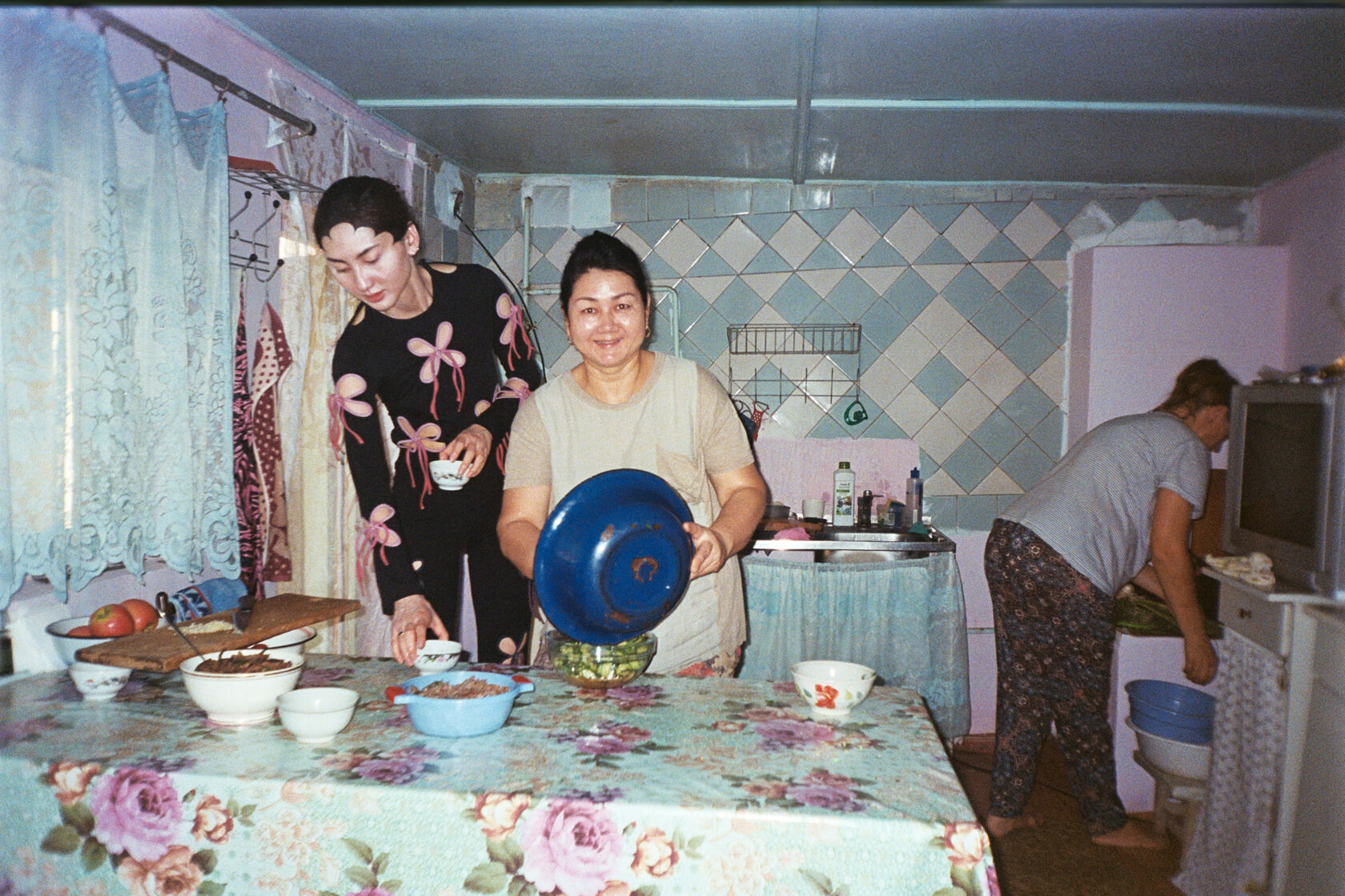
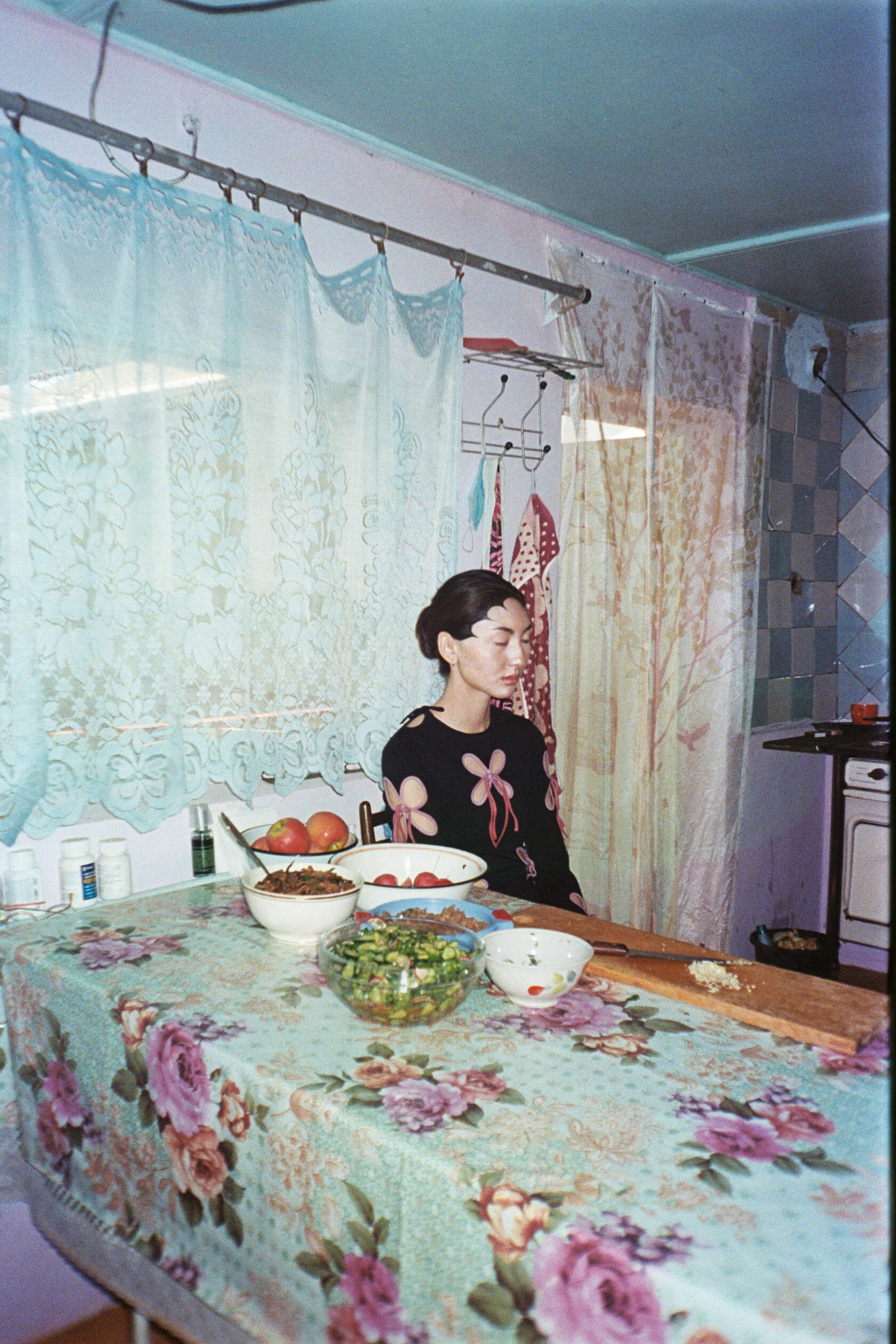
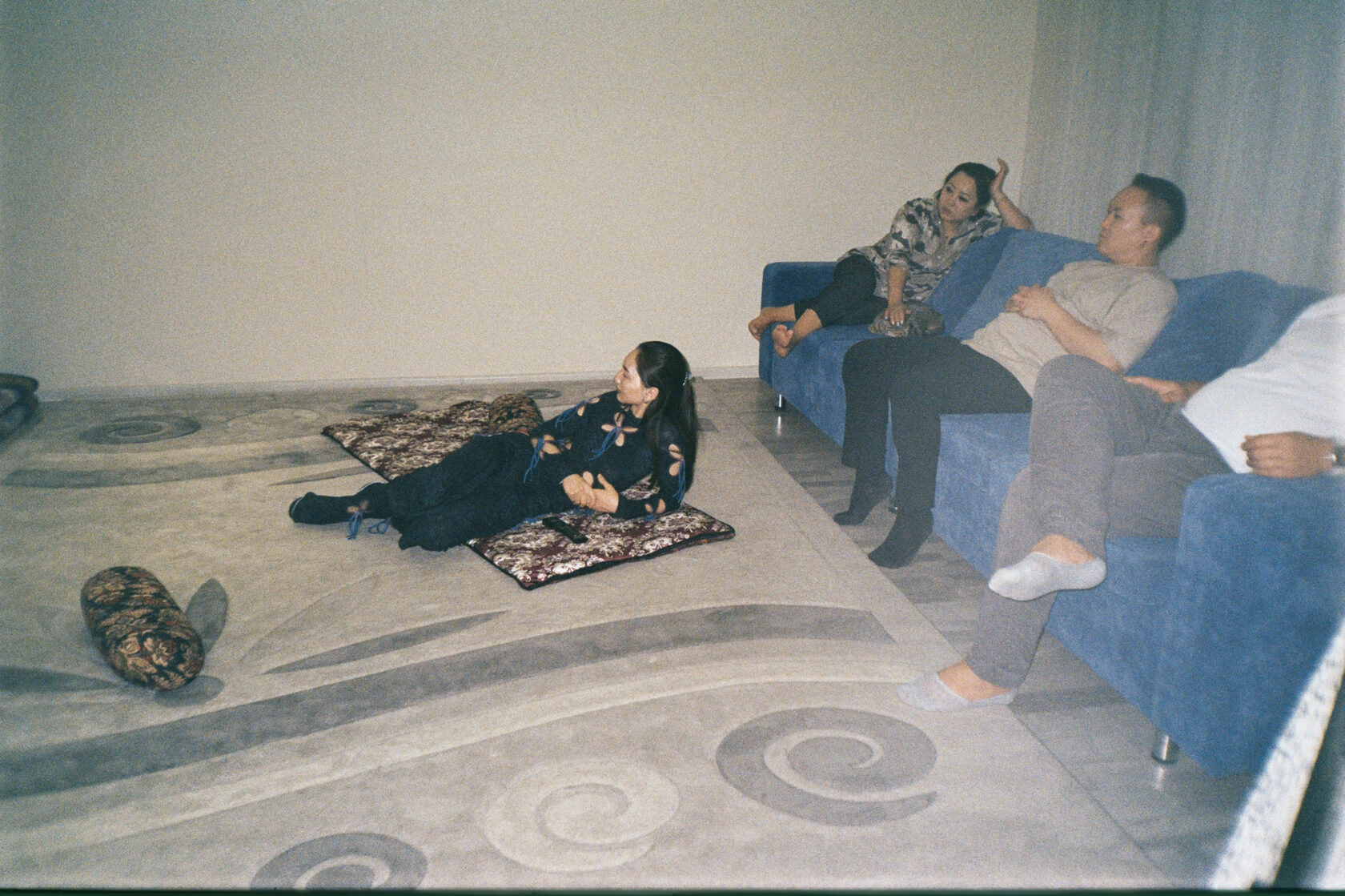
 | | Soviet Koreans’ family holidays | | In Korea, Lunar New Year is the biggest holiday of the year, and it is a day when the entire family gathers in, eat lucky foods, exchange gifts, and bond. On the first day of Lunar New Year, families may visit the senior members of their extended family, and the occasions serve to strengthen family ties – this tradition take roots from the concept of “four tables” which represents important stages of families lives, and celebrating New Year is one of it.
We wanted to take a moment to celebrate Lunar New Year and invited a fellow Koryo-Saram, filmmaker and writer Valeriya Kim, to offer insights on Soviet Koreans’ family holidays, the “four tables” concept, and two unmistakably Korean celebrations, where each of which represents a distinct stage in every Korean's life journey – when families gather around an entire round table, share the warmth of connection that unites them for a special moment.
Koryo-saram, or Soviet Koreans, are ethnic Koreans in the post-Soviet states, a diaspora spread around countries like Uzbekistan, Kazakhstan, and others. This disparate community of 500,000 are descendants of people who migrated out of collapsing Joseon-Dynasty Korea into the Russian Far East in the late nineteenth century and later were forcibly relocated from there to Central Asia in the 1930s.
Throughout the decades of movement and assimilation, it’s their mensal traditions that remained one of the key elements defining the diaspora identity. | | | |
|  | | There is a certain characteristic that Koreans have. They manage to maintain their identity no matter for how long and how far they have lived away from their ancestral homeland. Across the former USSR, Koryo-saram stands out as one of the few internally displaced peoples that retained their sense of community and remained true to their roots after having gained a foothold in new locations, such as Uzbekistan, Kazakhstan, and some other countries now described as post-Soviet. What is it that acts as an anchor for Koreans, tethering them to a clear awareness of their identity?
One of such things is the concept of “four tables.” It collectively refers to four celebrations that each are meant to represent distinct stages in every Korean’s life path: asyandi, or first birthday; chanchi, or wedding; khangabi, or sixty-first birthday; and desa-sa, funeral. The term “four tables” is not scientific but, if a Koryo-saram hears it, they will easily understand the reference. | | | |
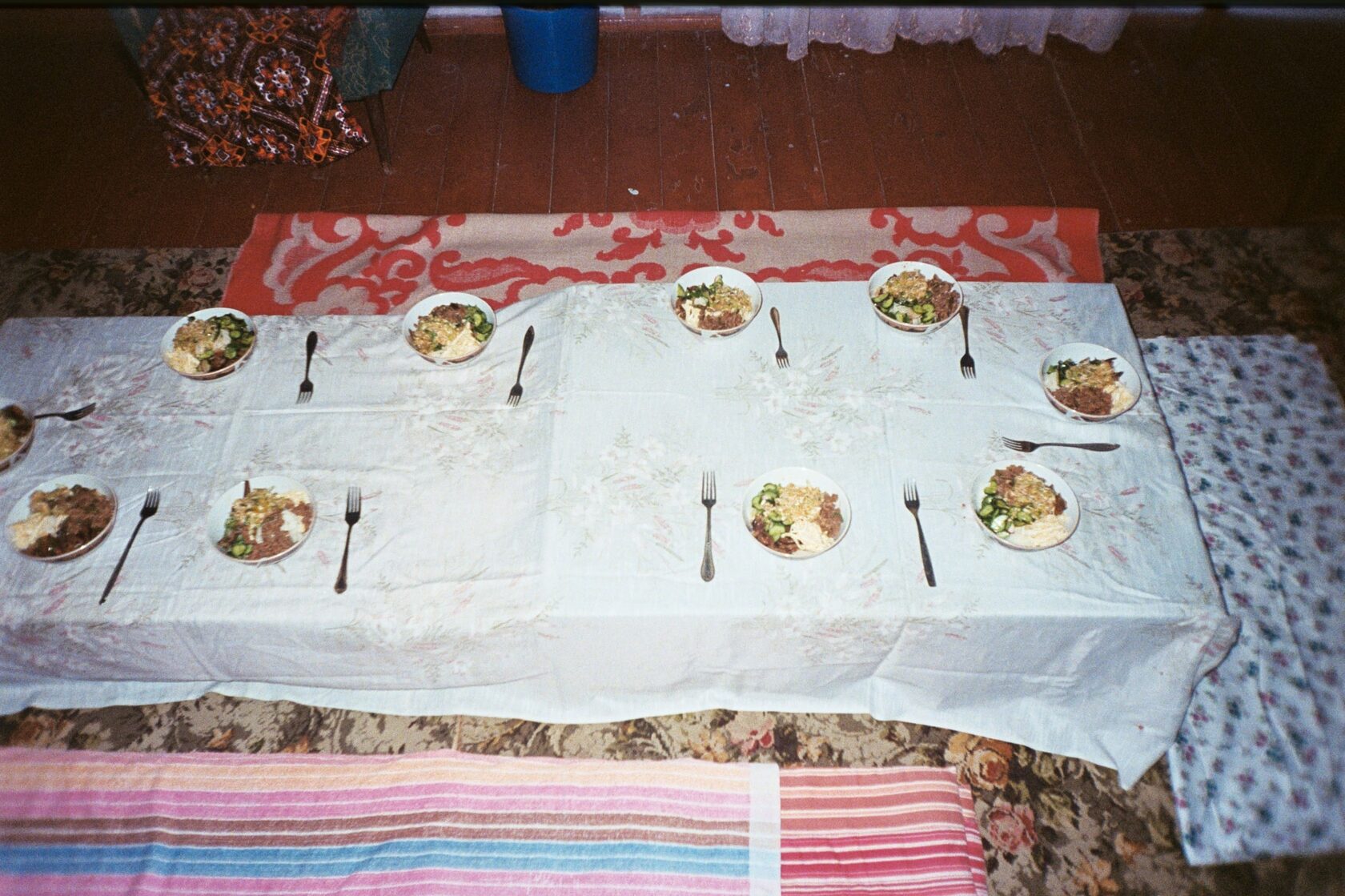
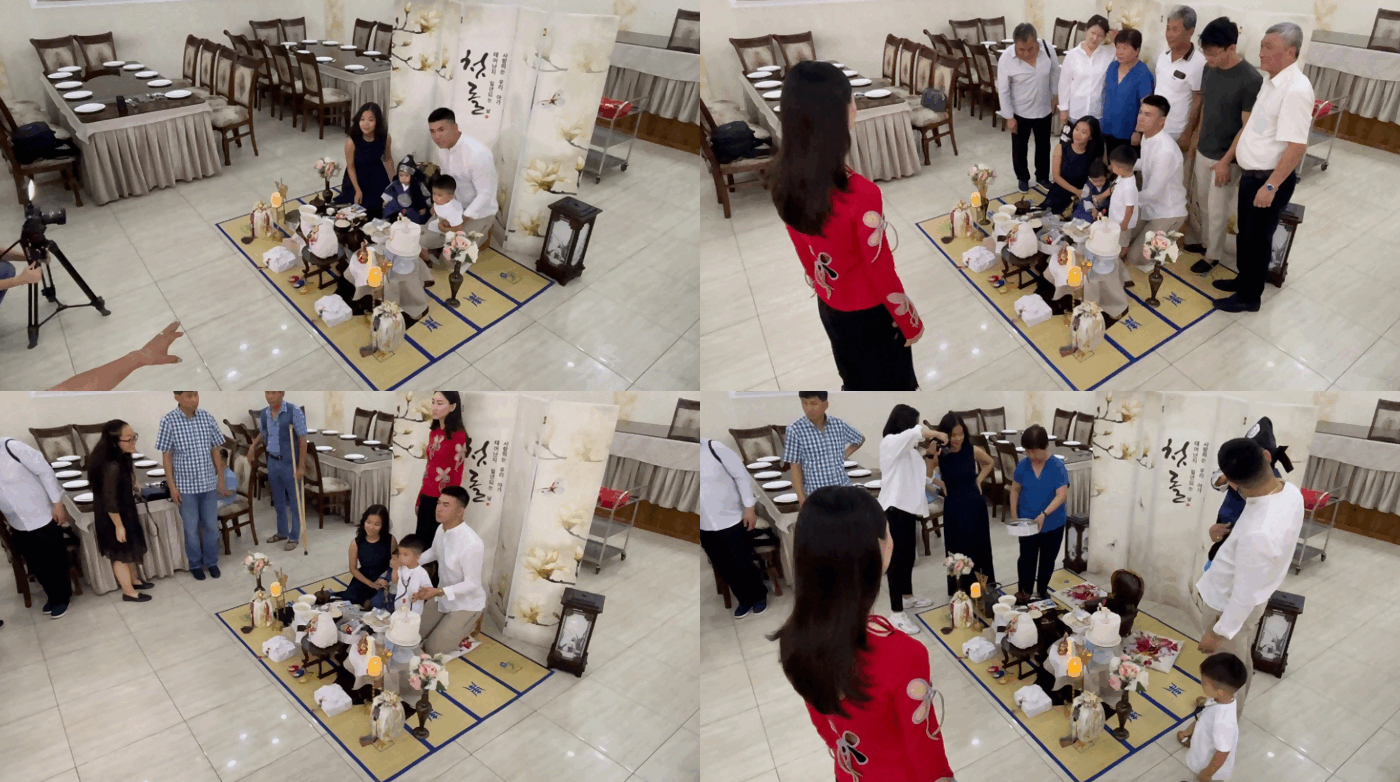
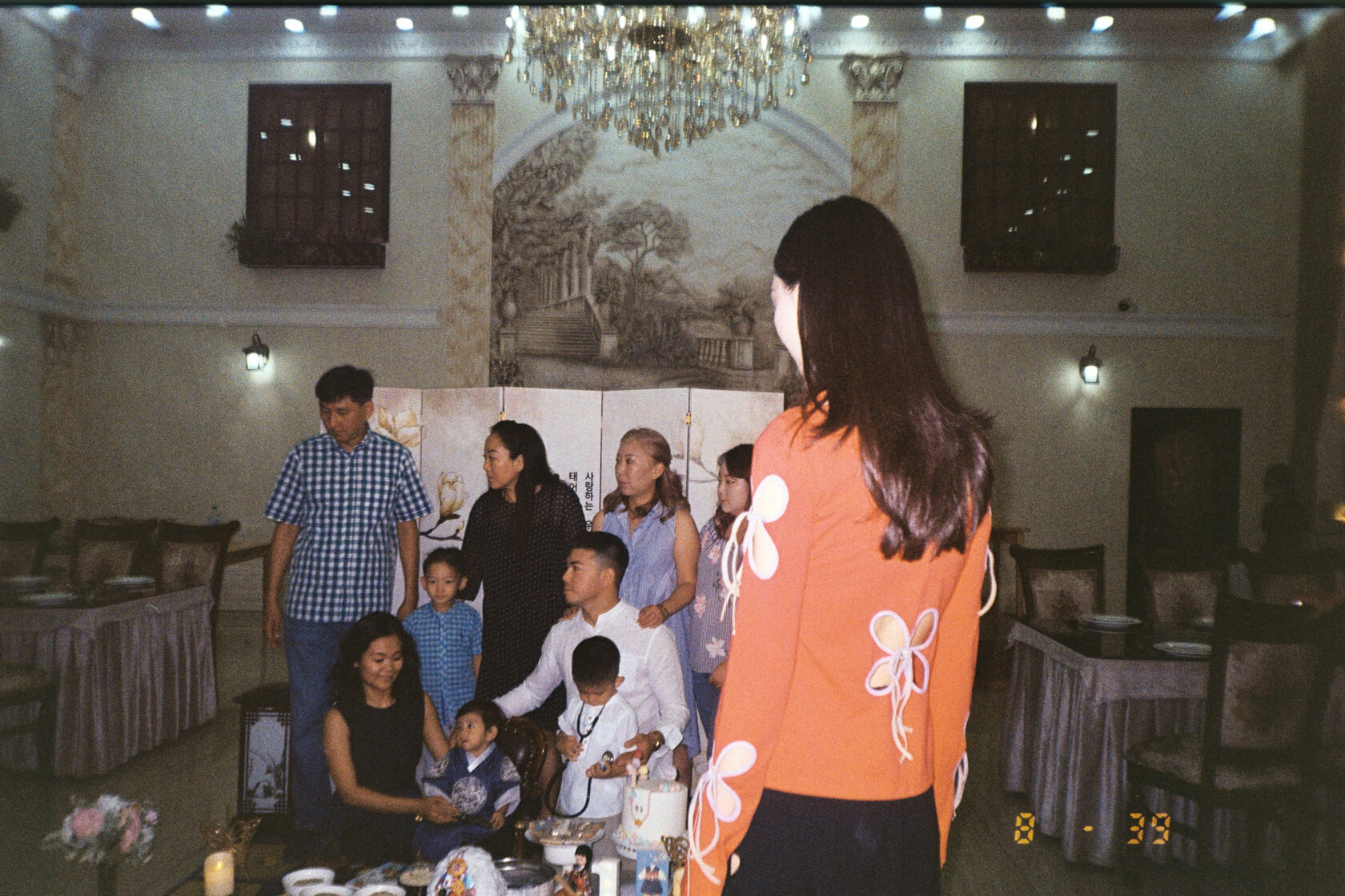
|  | | Asyandi-sa is an observation of a child’s first birthday. The first part is celebrated at home before noon, as there is a belief that good spirits unite before noon to protect the birthday baby. The child is dressed in the hanbok traditional costume and brought to the table. This moment is considered solemn and important.
Objects are placed before the birthday baby, each of which carry symbolic meaning. Money stands for wealth, a pen for creative abilities, a book for curiosity, scissors for applied arts skills, threads for a long life. Three bowls with foodstuffs are also set on the table: chaltyogi bread for a successful life, beans for work related to agriculture, and rice for prosperity. Afterwards, the child is encouraged to choose an object from the table, as it is thought that the selected item will reveal the child's destiny. In some families, chaltyogi and rice symbolize hard, low-paid work, in which case caring parents try to put the bowls further away from the birthday person.
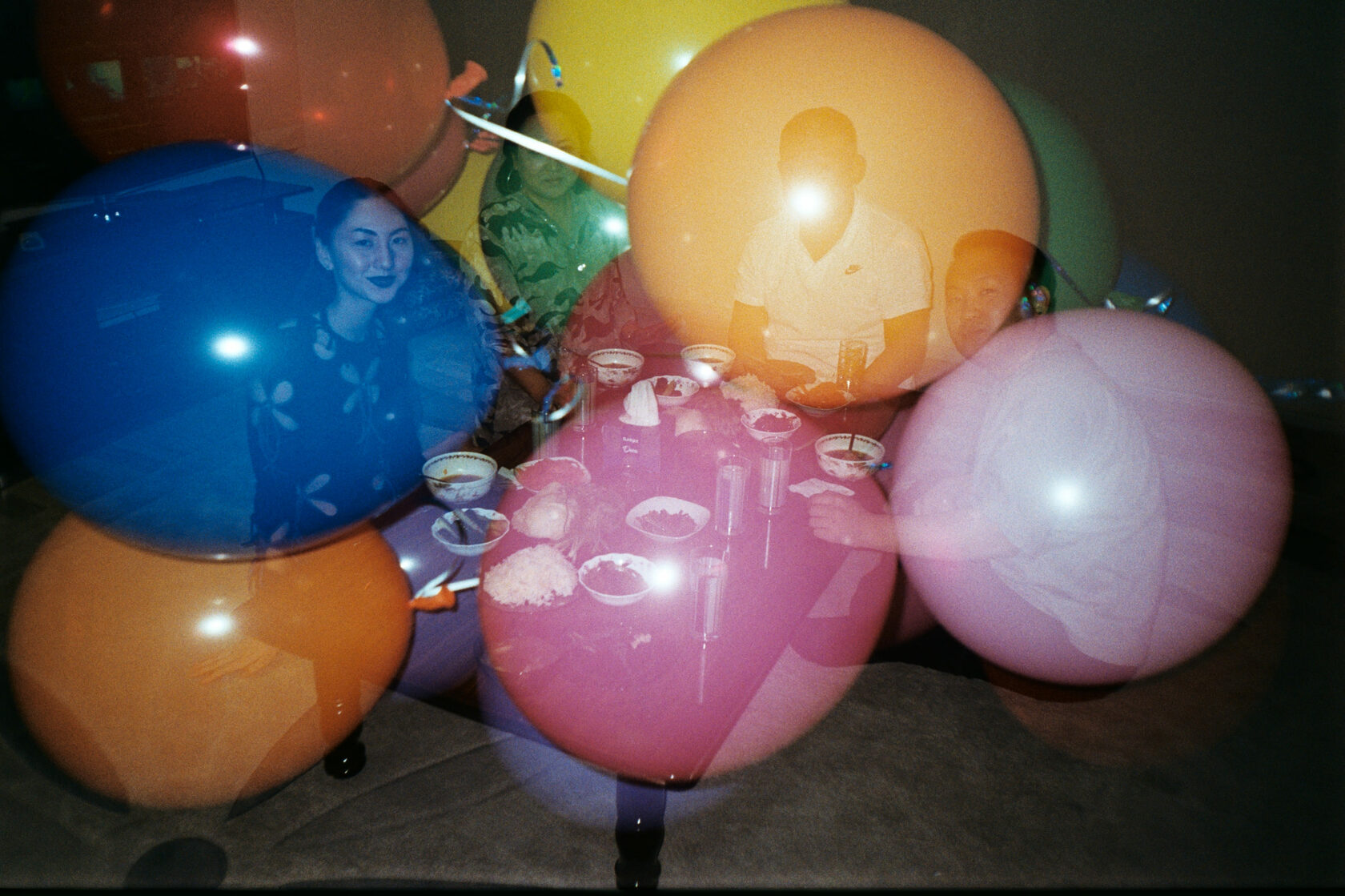
Recently, modern items have also been appearing on asyandi tables: synthesizers, laptops, microphones, stethoscopes, and even credit cards replacing money. New generations bring new interpretations, which however still maintain the basic meanings behind the tradition. After the birthday baby “accepts” the first table of their life, the guests gather at for a family meal. A big celebration is held in the evening. Koreans believe that the more lavish and more crowded the holiday, the brighter and happier the life of the birthday kid will be. | | | |
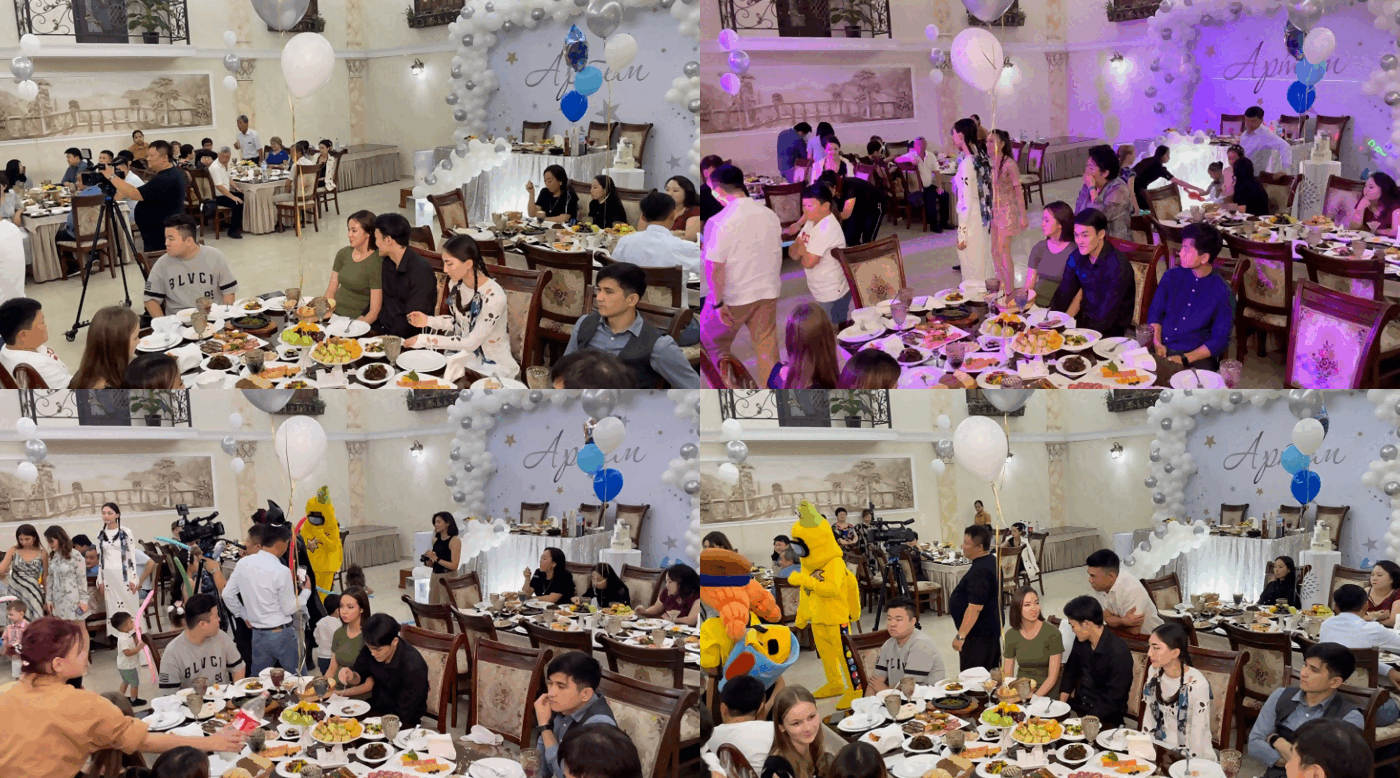
|  | | Khangabi-sa is the third table of the four, honoring a person’s sixty-first birthday. Previously, it was believed that a person is given sixty years to live, and every year of life after that is a blessing from god. The sixty-first birthday marks the beginning of a new age for a person, with the word “khangabi” meaning “entry into a new cycle.”
Therefore, hosting a celebration for this is a big event in every family. Transitionally, it used to be held at home, but now more and more so in restaurants.
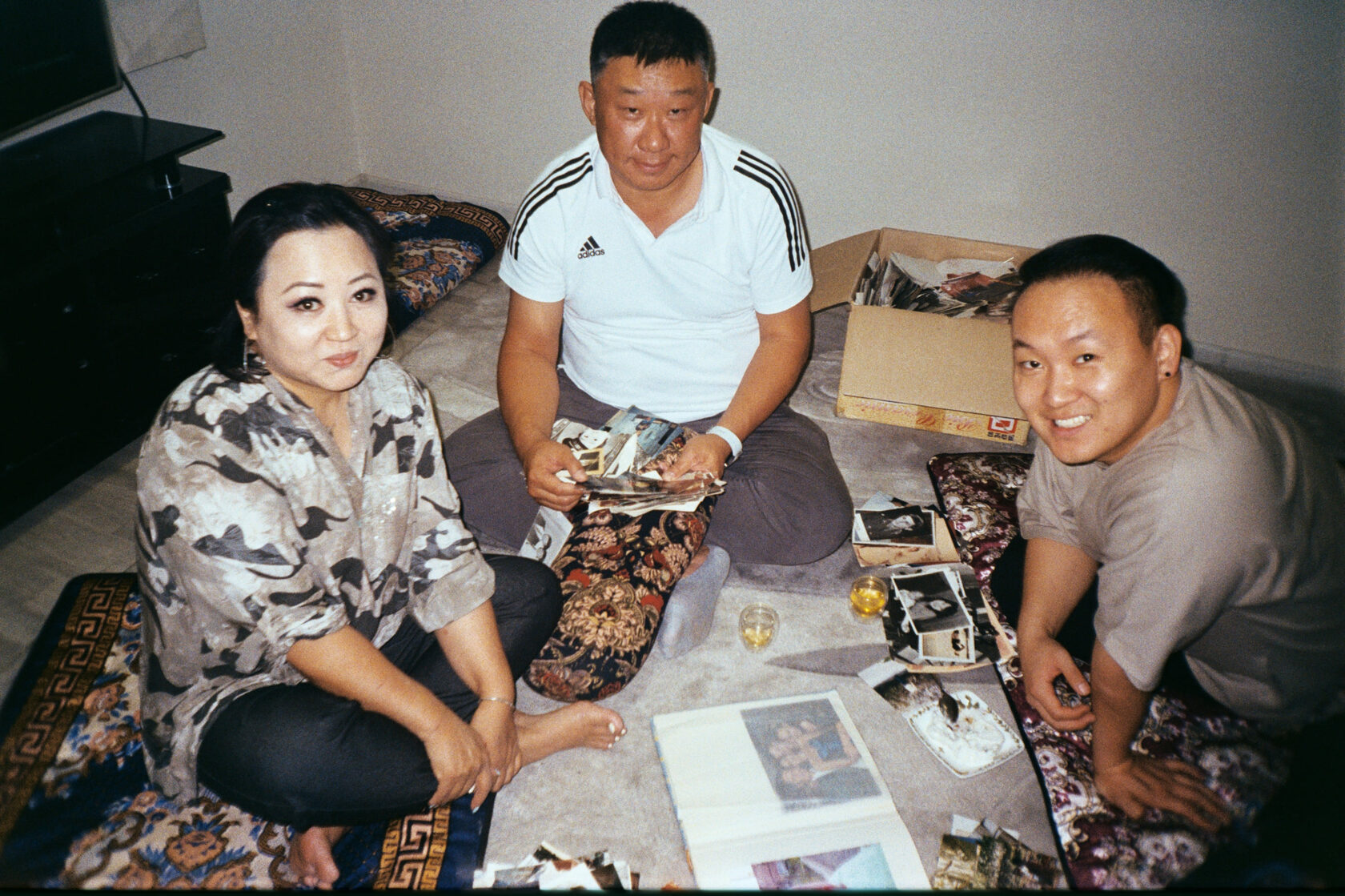
The children of the hero of the day arrange the celebration—this is their duty, tribute, and manifestation of love for their parent. The table, according to tradition, begins with a bow: in those cases (formerly exceptional, and now more and more frequent), when their parents are still alive, the birthday person expresses verbal respect primarily to them. After that, the celebrant sits down at the table—and now their children and the family’s younger generations bow to them. The table for guests is supposed to be lush, generous, and dominated by Korean dishes. Khangabi is an important point in a Korean’s life. It is considered a time of wisdom, of gratitude from children, and of new beginnings. | | | |
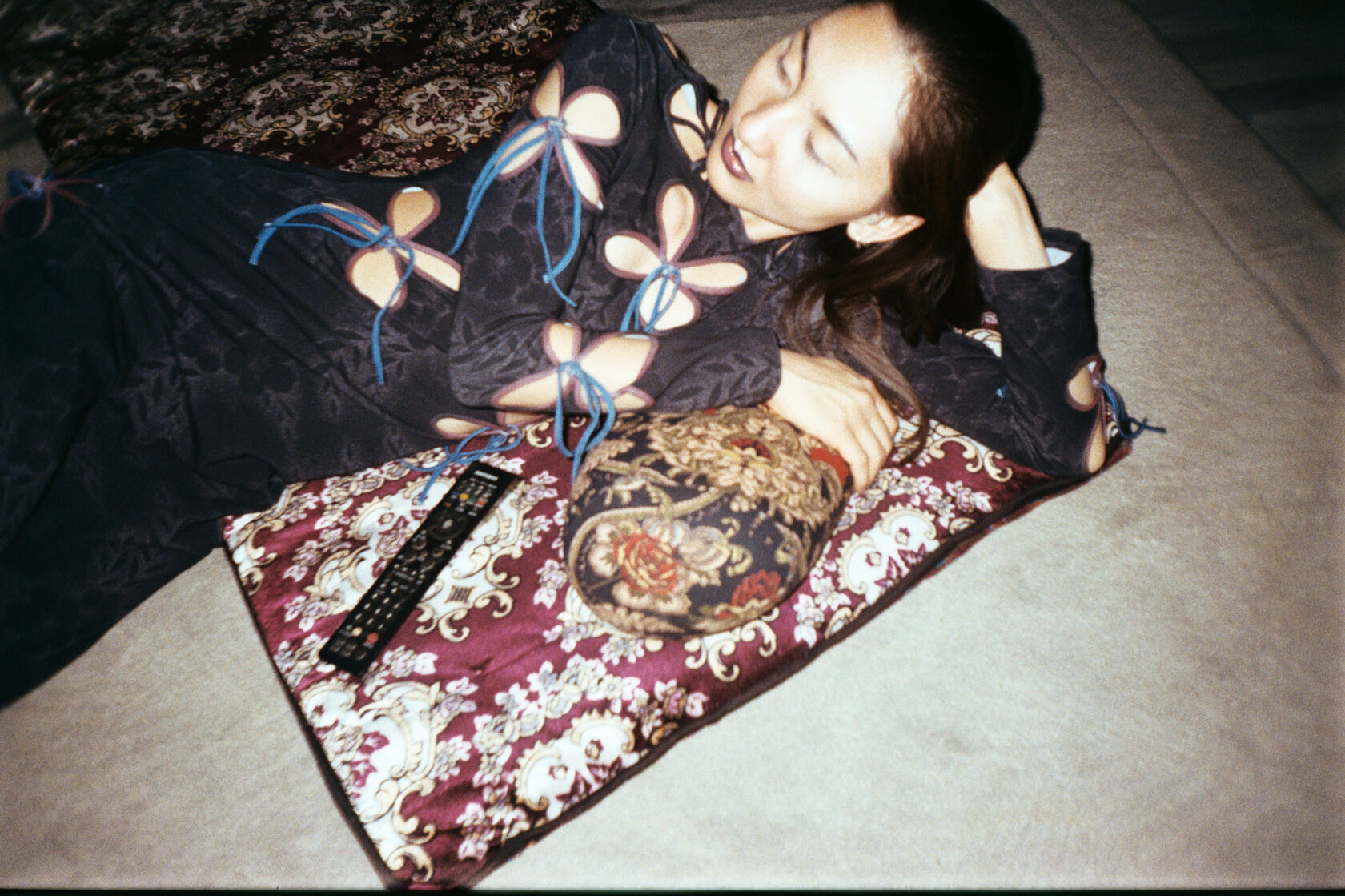
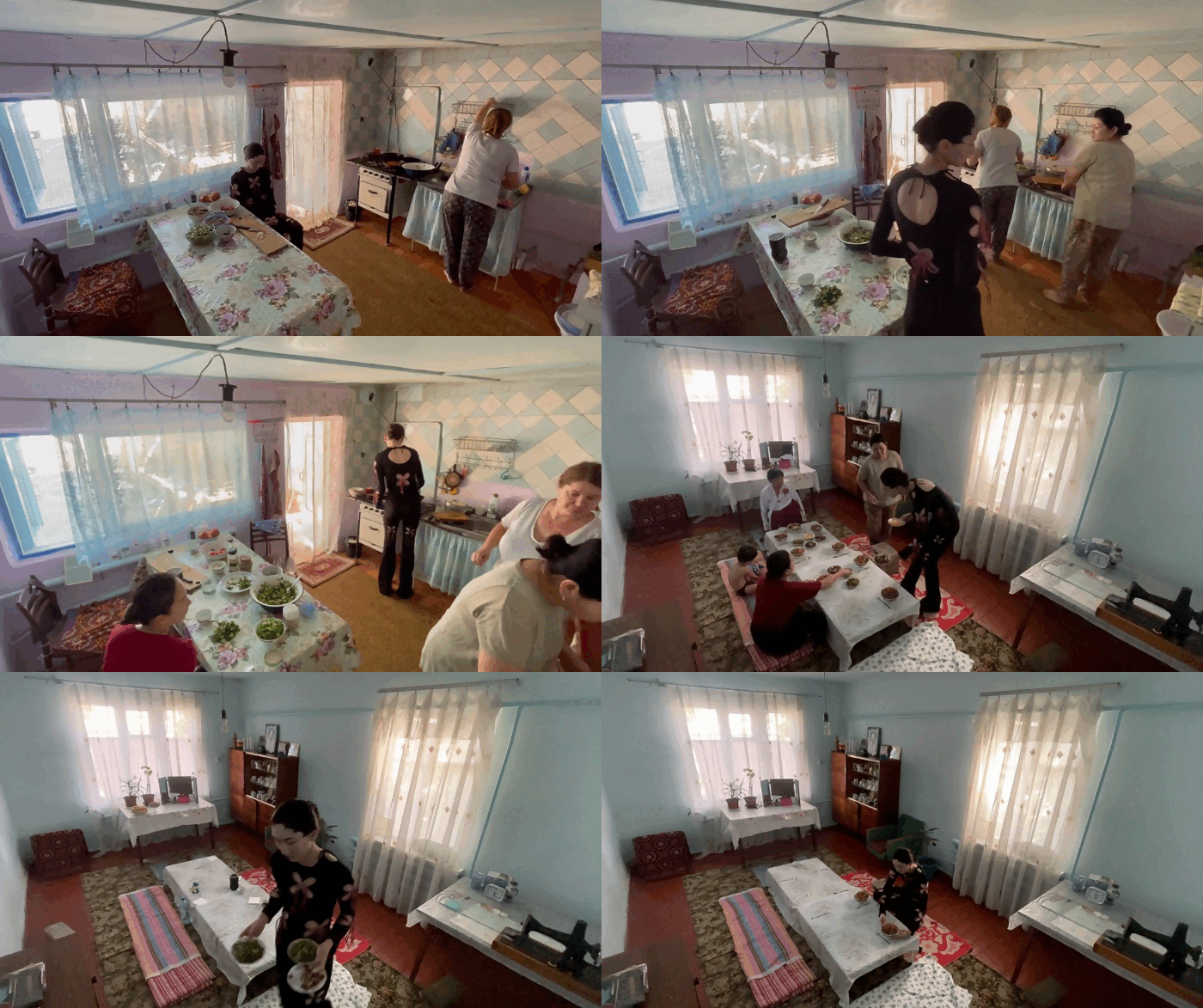
|  | | Jenia Kim, who in her work, generally underpinned by exploration of her Koryo-saram identity, sometimes specifically turns to the image of Korean family holidays, herself joins in on emphasizing the importance of the customs related to the four festivities: “To my mind, these holidays are important because, for one, they make families stronger, but also because they help in preserving traditions, of which Koryo-saram, with their constant resettlements, barely have any left.”
Creative director: @puktyai
Producer and video assistant: @yanaxarasho
Makeup artist: @mashavorslav_works
Model: Maria @art_models_agency
Writer: Valeriya Kim
Translator, editor: Vlad Ilkevich
| | | |
| | | Unsubscribe from this newsletter at any time here | | | |
| |